Sintra, a UNESCO World Heritage site, is one of the most enchanting towns in Portugal. Known for its lush landscapes, romantic palaces, and historical significance, Sintra is a must-visit destination for anyone exploring the country. Here’s a detailed overview of Sintra, including its location, history, palaces, convents, and more:
Location
- Sintra is located in the Lisbon District, about 30 kilometers (19 miles) northwest of Lisbon, making it a popular day-trip destination from the capital.
- It sits on the foothills of the Serra de Sintra, a mountain range that creates a unique microclimate, often cooler and more humid than surrounding areas, contributing to Sintra’s lush forests and gardens.
History
- Ancient Origins: Sintra’s history dates back to at least the 8th century when the Moors settled in the area. The town was known for its strategic location and was of great importance during the Islamic period in the Iberian Peninsula.
- Reconquest: In 1147, Sintra was reconquered from the Moors by King Afonso Henriques, the first king of Portugal. The area began to flourish in the centuries that followed, particularly under the reign of later monarchs.
- Royal Attraction: Sintra became a favored royal retreat sice the early centuries, and many Portuguese kings and nobility built their palaces and estates here due to its scenic beauty and favorable climate.
- Romanticism: The town was a key inspiration for European Romanticism, particularly in the 19th century. Writers like Lord Byron (who famously described Sintra as “the most delightful place in Europe”) helped cement its place as a Romantic destination. Sintra was also a favorite of King Ferdinand II, who initiated the creation of some of the town’s most iconic structures.
Palaces, Castle, and Convents
Sintra is renowned for its exceptional collection of palaces, castles, and convents. Here’s a full list of the major sites:
- Palácio Nacional de Sintra (Sintra National Palace)
– History: Dating back to the 14th century, this palace was a royal residence for over 500 years. It is characterized by its distinctive masonry chimneys and a mixture of Gothic, Manueline, and Moorish architectural styles.
– Features: The interior features stunning tilework (azulejos), opulent rooms, and historical chambers, including the Hall of the Swans and Chapel of Saint Jerome.
– Location: Situated in the heart of Sintra town, it’s the best-preserved medieval royal palace in Portugal.
- Palácio da Pena (Pena Palace)
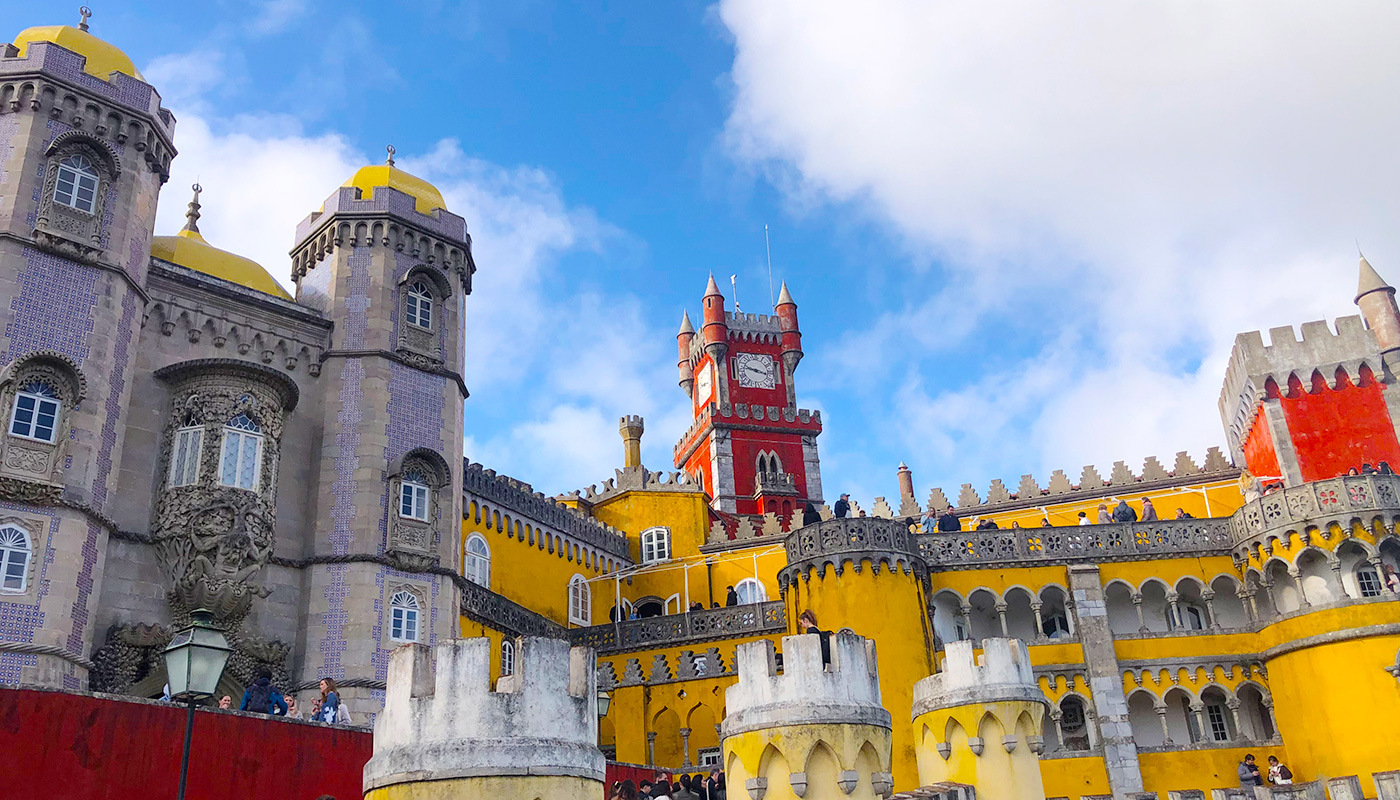
– History: Built in the 19th century by King Ferdinand II, this palace is a romanticist masterpiece, combining Gothic, Renaissance, Moorish, and Manueline architectural elements. It was constructed on the site of a former monastery.
– Features: The palace is known for its colorful exterior, fairy-tale design, and panoramic views over Sintra. Inside, it boasts richly decorated rooms, such as the King’s Room and Queen’s Room, as well as lush gardens.
– Location: Situated on top of a hill in the Serra de Sintra, Pena Palace is visible from almost anywhere in the town.
- Palácio de Monserrate (Monserrate Palace)
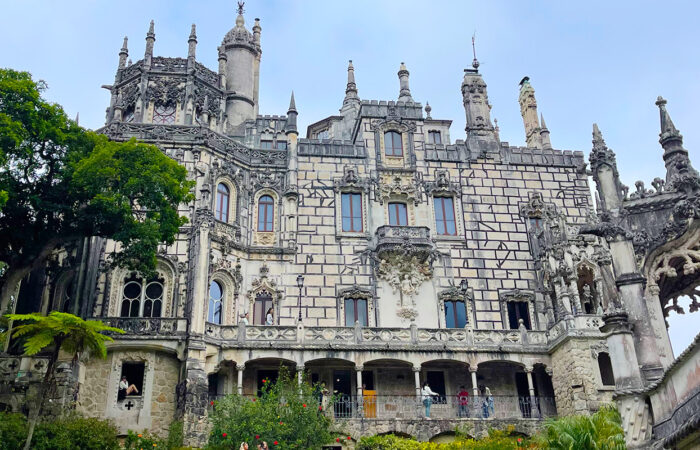
– History: Originally a villa in the 18th century, it was transformed into a palace by Sir Francis Cook, a British merchant, in the 19th century.
– Features: This palace is a blend of Gothic, Indian, and Moorish architectural styles. Its gardens, designed in a variety of styles (including tropical and Mediterranean), are just as impressive as the building itself.
– Location: Located a few kilometers from Sintra’s town center, it’s nestled within a lush, botanical garden.
- Castelo dos Mouros (Castle of the Moors)
– History: Built in the 9th century by the Moors, this hilltop fortress was designed to protect Sintra from Christian advances during the early years of the Islamic period.
– Features: The castle ruins include ancient walls, towers, and battlements offering spectacular views of Sintra, the surrounding region, and the Atlantic Ocean. It is one of the best-preserved examples of Moorish military architecture in Portugal.
– Location: Situated on a mountain ridge, it can be accessed from the town of Sintra via a short hike or by car.
- Convento dos Capuchos (Convent of the Capuchos)
– History: Built in the 16th century by Franciscan monks, this convent is a humble and austere structure that contrasts with the grandeur of the palaces in Sintra.
– Features: The convent is known for its minimalist architecture, with rooms small and simply furnished. The monks lived in isolation and used natural materials like cork to insulate their cells. The surrounding cork oak forest adds to the serene atmosphere of the place.
– Location: Located about 8 kilometers from Sintra town center, it is set amidst a peaceful forested area.
- Palácio de Queluz (Queluz Palace)
– History: This 18th-century palace was the royal residence of King Pedro IV and his queen Maria I. It is often referred to as the “Versailles of Portugal.”
– Features: Known for its Baroque and Rococo architecture, the palace includes formal gardens, fountains, and a stunning throne room. It also contains several frescoes and beautifully decorated rooms.
– Location: Located just outside Lisbon, near the town of Queluz, it’s often considered an extension of Sintra’s royal legacy.
Culture
- Art and Literature: Sintra has long been a haven for writers, artists, and poets. In addition to Lord Byron, other famous figures who have been inspired by Sintra include Alfred, Lord Tennyson and the poet Fernando Pessoa. The town is home to various galleries showcasing local and international artists.
- Music and Festivals: Sintra hosts several cultural events, such as the Sintra Music Festival (classical music) and the Festival de Sintra. These events celebrate both the town’s rich cultural heritage and modern artistic expressions.
Architecture
- Sintra’s architecture is characterized by a stunning blend of Moorish, Gothic, Manueline, Baroque, and Romantic styles. The eclectic nature of the town’s palaces and buildings is one of the things that makes Sintra unique.
- Palácio da Pena is particularly famous for its romanticized and fantastical architecture, combining multiple influences and bright colors.
- Sintra National Palace is a prime example of Gothic and Moorish elements combined with Portuguese traditions.
- Monserrate Palace blends Oriental, Gothic, and Indian influences.
Interesting Facts
- UNESCO World Heritage Site: In 1995, Sintra was designated a UNESCO World Heritage site due to its cultural landscapes, historic buildings, and architectural significance.
- Cool Microclimate: The town’s location in the Serra de Sintra creates a unique climate, which supports a dense forest with a variety of plant species, including rare species of trees and flowers.
- Mystical Reputation: Sintra has long been associated with mystery and mysticism, especially due to its dense forests, romantic palaces, and legends. Some even believe it’s a place of mystical energy, often linked to sacred geometry and esoteric traditions.
Conclusion
Sintra is a town that feels like stepping into a fairy tale, with its combination of stunning palaces, castles, and convents set against a backdrop of lush mountains and gardens. Its unique blend of architectural styles, rich cultural heritage, and romantic atmosphere make it one of Portugal’s most remarkable and beloved destinations.