Lisbon is the vibrant capital of Portugal, known for its rich history, stunning architecture, dynamic culture, and scenic views. It sits on the coast of the Atlantic Ocean, offering a unique blend of old-world charm and modern vitality. Here’s an overview of its history, architecture, main neighborhoods, cultural offerings, and more.
History of Lisbon
Lisbon has a history that stretches over 2,000 years, with influences from Phoenician, Roman, Moorish, and Christian civilizations. Originally founded as a Phoenician settlement, it became a significant Roman city. In the 8th century, the Moors captured Lisbon and ruled it until the 12th century, when it was reconquered by Christian forces under King Afonso I (Afonso Henriques).
Lisbon later became the center of the Age of Exploration in the 15th and 16th centuries, with figures like Vasco da Gama and Ferdinand Magellan playing key roles in establishing Portugal as a global maritime power. The city endured major events like the catastrophic 1755 earthquake, which destroyed much of Lisbon and reshaped its urban planning. In the 20th century, Lisbon also witnessed the Carnation Revolution of 1974, which ended Portugal’s dictatorship.
Architecture
Lisbon’s architecture is incredibly diverse, reflecting the city’s long and varied history. Major architectural styles include:
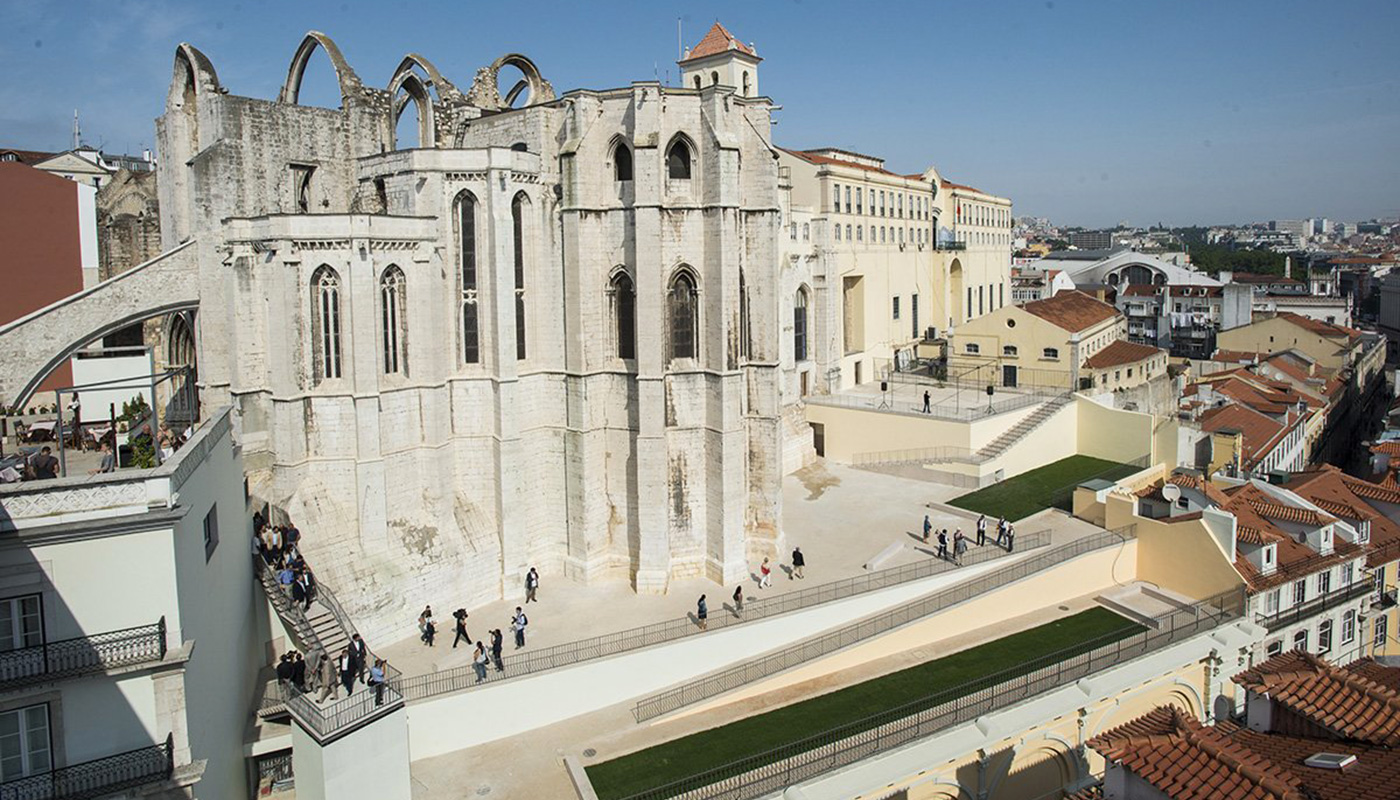
- Romanesque & Gothic: Seen in churches like Sé Cathedral (Lisbon Cathedral).
- Manueline: A Portuguese variation of late Gothic architecture, characterized by ornate detailing. One of the best examples is the Jerónimos Monastery.
- Pombaline Style: After the 1755 earthquake, Lisbon was rebuilt in the Pombaline style under the guidance of Marquis of Pombal. This style features neoclassical elements and seismic-resistant construction.
- Modernist & Contemporary: In the 20th and 21st centuries, Lisbon also saw modern architectural styles, such as the *Gare do Oriente* train station designed by Santiago Calatrava.
Main Neighborhoods
- Baixa: The historic downtown, rebuilt after the 1755 earthquake, with grand squares like Praça do Comércio and Rossio.
- Alfama: The oldest neighborhood, known for its narrow streets, Moorish architecture, and Fado music.
- Bairro Alto: A bohemian district famous for its nightlife, bars, and restaurants.
- Belém: Home to some of Lisbon’s most famous historical monuments, like the Jerónimos Monastery and Belém Tower.
- Chiado: A cultural and artistic neighborhood, filled with theaters, bookshops, and cafés.
- Parque das Nações: A modern district developed for the 1998 World Expo, known for its contemporary architecture and waterfront views.
Culture
Lisbon is a cultural hub, combining traditional Portuguese heritage with international influences.
- Fado Music: The soulful music genre, characterized by melancholic and poetic lyrics, originated in Lisbon and is a UNESCO cultural heritage.
- Festivals: Lisbon hosts several festivals, including the *Festa de Santo António* in June, a vibrant celebration with parades, music, and food.
- Cuisine: Lisbon offers a mix of traditional Portuguese dishes such as bacalhau (salted cod), pastéis de nata (custard tarts), and bacalhau à brás (fried cod with potatoes and eggs). Seafood, especially sardines, is also a specialty.
- Art Scene: Lisbon is home to numerous art galleries, theaters, and performance spaces, with a growing contemporary art scene.
Interesting Facts
- Oldest City in Western Europe: Lisbon is considered the oldest capital city in Western Europe, with continuous history dating back over 2,000 years.
- The Earthquake of 1755: The city was almost completely destroyed in a massive earthquake on November 1, 1755, which also caused a tsunami and fires, killing tens of thousands.
- The “City of Seven Hills”: Lisbon is often called the “City of Seven Hills” because of the seven hills that surround its historic center, offering stunning viewpoints.
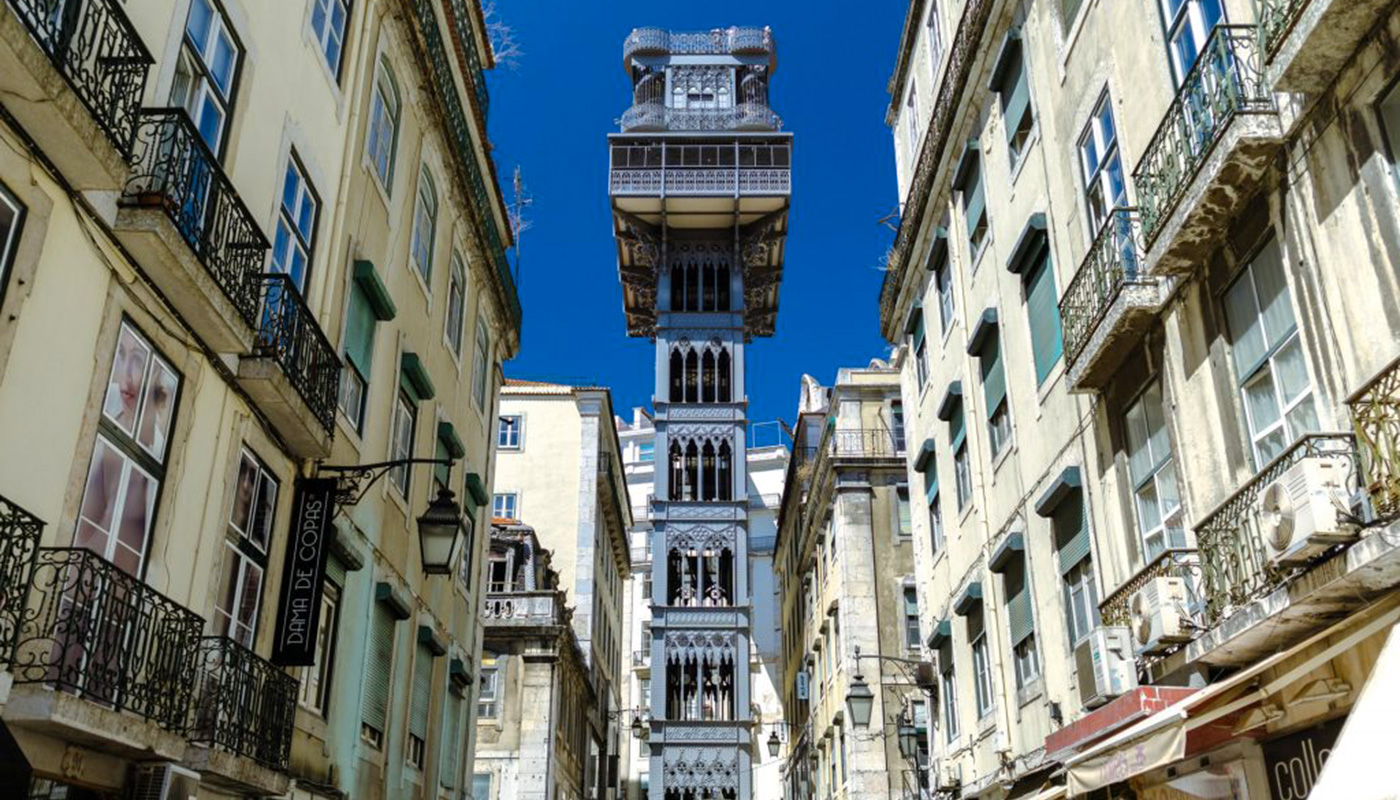
- Lisbon’s Elevators: To cope with its steep terrain, Lisbon has several iconic elevators, such as the Santa Justa Elevator, Gloria Elevator, Bica Elevator, which provide quick access between the city’s different levels.
- Portuguese Discoveries: The city was the starting point for many of the famous Portuguese explorers who mapped much of the world during the 15th and 16th centuries.
Museums
Lisbon boasts a rich collection of museums, offering a mix of history, art, and science. There are over 60 museums in the city, some of the most notable include:
- Museu Calouste Gulbenkian: A world-class collection of European and Eastern art.
- Museu Nacional de Arte Antiga: Housing Portugal’s most important collection of art.
- Museu do Azulejo: Dedicated to Portugal’s iconic painted ceramic tiles.
- Museu Nacional de Arqueologia: Featuring archaeological artifacts from ancient civilizations, including the Romans and Moors.
Churches
Lisbon is home to over 30 significant churches, many with historical and architectural importance. Some highlights include:
- Sé Cathedral: The oldest and most important church in Lisbon, dating back to the 12th century.
- Igreja de São Roque: A baroque church with impressive artwork.
- Igreja de Santa Engrácia: Now housing the National Pantheon, where notable Portuguese figures are buried.
Historic Buildings
Lisbon has a wealth of historic buildings that represent its diverse past. There are hundreds of significant structures, but some of the most notable include:
- Palácio da Ajuda: A neoclassical royal palace.
- Mosteiro de São Vicente de Fora: A significant 16th-century monastery.
Conclusion
Lisbon is a city that effortlessly blends history, culture, architecture, and modernity. From its medieval alleys in Alfama to its contemporary architecture at Parque das Nações, there is always something to discover. With over 60 museums, numerous churches, and countless historic buildings, Lisbon offers a wealth of experiences for visitors interested in art, history, and culture.