The Mafra Convent and Palace (Palácio Nacional de Mafra) is one of Portugal’s most impressive historical landmarks, known for its grand architecture, royal significance, and unique place in Portuguese culture. Below is a detailed exploration of this monumental structure.
Location
Mafra is a town located in the Lisbon District, about 40 kilometers (25 miles) north of Lisbon, making it easily accessible by car. The town is nestled in a rural area, surrounded by forests and farmland, providing a peaceful backdrop to the monumental palace and convent.
History
- Origins: The construction of the Mafra Palace and Convent began in 1717 under the reign of King João V (John V of Portugal), who sought to fulfill a vow he made in gratitude for the birth of his son. The king promised to build a grand religious complex if God granted him an heir, which he did in 1716. The royal family’s deep Catholic faith was a central motivation for the project.
- Construction: The project, which started in 1717, lasted for 13 years (completed in 1735), with the work primarily overseen by Italian architect Luigi Vanvitelli and a large team of artisans, engineers, and workers. The scale of the construction was massive, and it was one of the largest building projects in Europe at the time.
- Purpose: The complex was intended to serve as a royal palace and a monastic residence. The palace was built to house the royal family, while the convent was intended for the Franciscan order. It was to be a symbol of royal power, religious devotion, and Portugal’s grandeur during the reign of King João V, whose reign was marked by prosperity from the gold mines of Brazil.
- Decline and Restoration: After the Portuguese Revolution of 1910, which resulted in the establishment of the Portuguese Republic, the monarchy was abolished, and the palace and convent became public property. Since then, the palace has been a museum and an important national monument. Restoration work has continued over the years to preserve its grandeur.
Architecture
The Mafra Convent and Palace is a striking example of Baroque architecture and is one of the largest and most important Baroque buildings in Portugal. It features several key architectural elements:
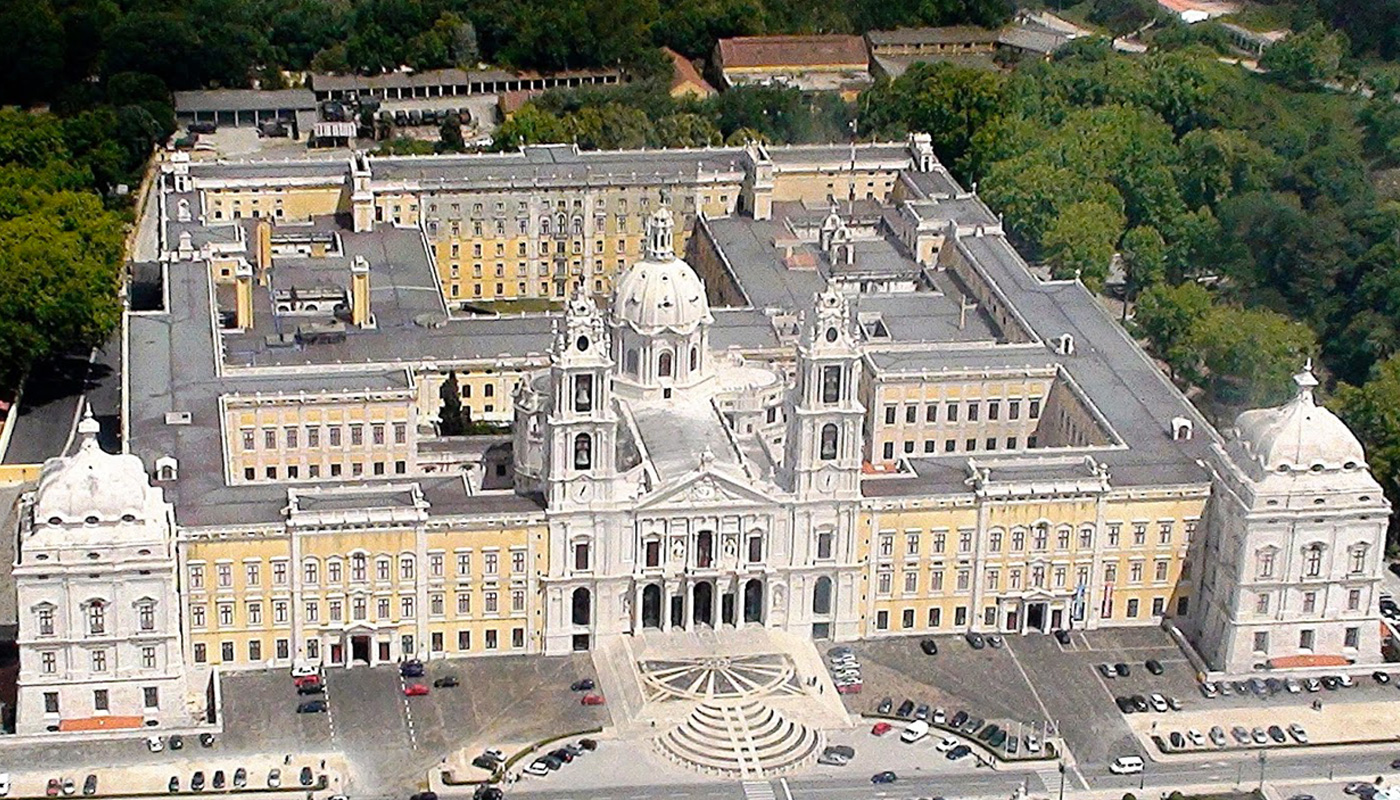
- Size and Layout: The palace complex includes a royal palace, a Franciscan convent, a library, chapels, gardens, and courtyards. The building covers an area of more than 40,000 square meters and contains over 1,200 rooms, making it one of the largest palaces in Europe.
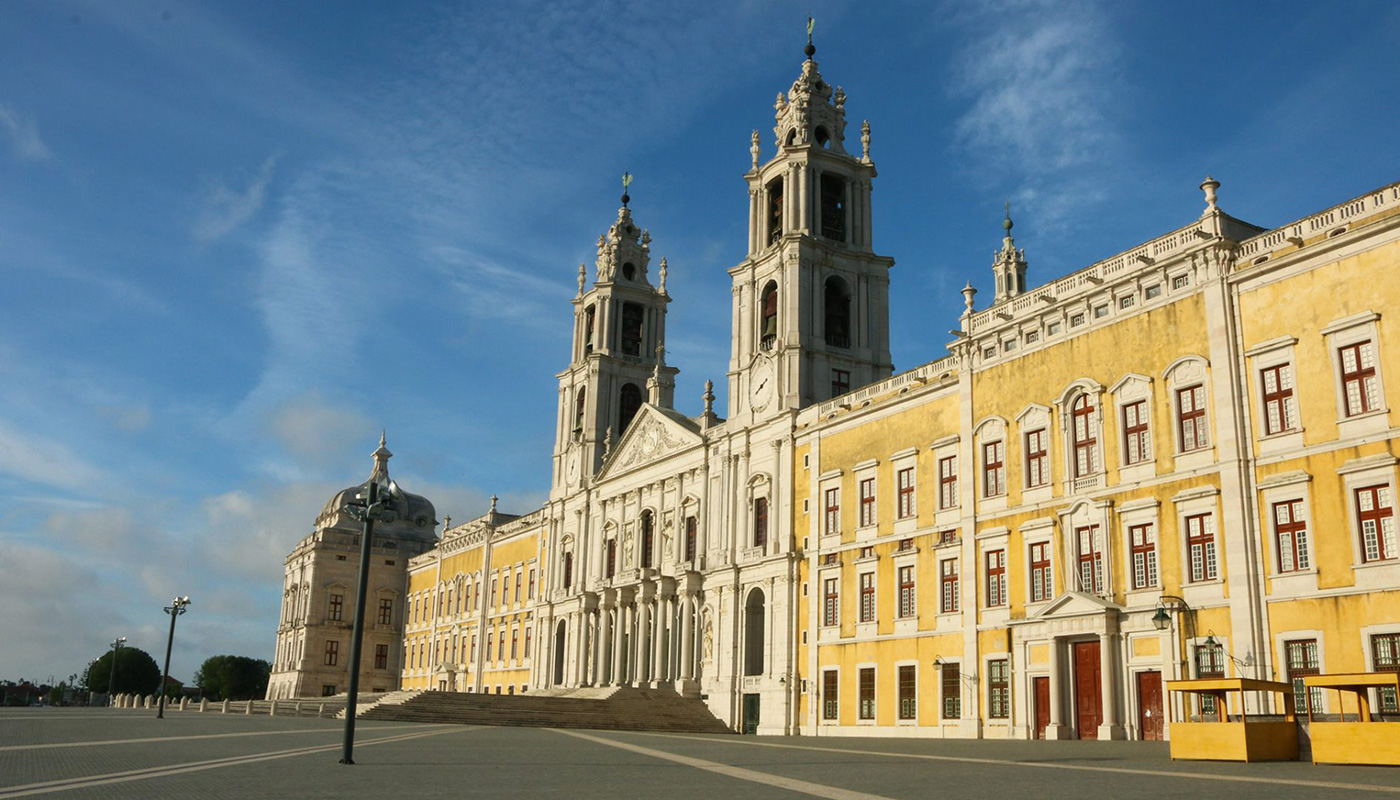
- Facade: The palace’s facade is a grand Baroque design, featuring a long, monumental front with two massive towers. The central part of the building, where the royal family resided, is decorated with impressive sculptures, large windows, and decorative reliefs. The central clock tower is particularly noteworthy and has a striking presence over the town of Mafra.
- The Basilica: The palace’s central feature is the Basilica of Mafra, a magnificent church with a Baroque design. The Basilica is dedicated to Saint Anthony and includes two monumental towers, with six bells—one of which is the heaviest bell in Portugal. Inside the church, visitors can admire beautiful altars, ornate decorations, and a grand central dome.
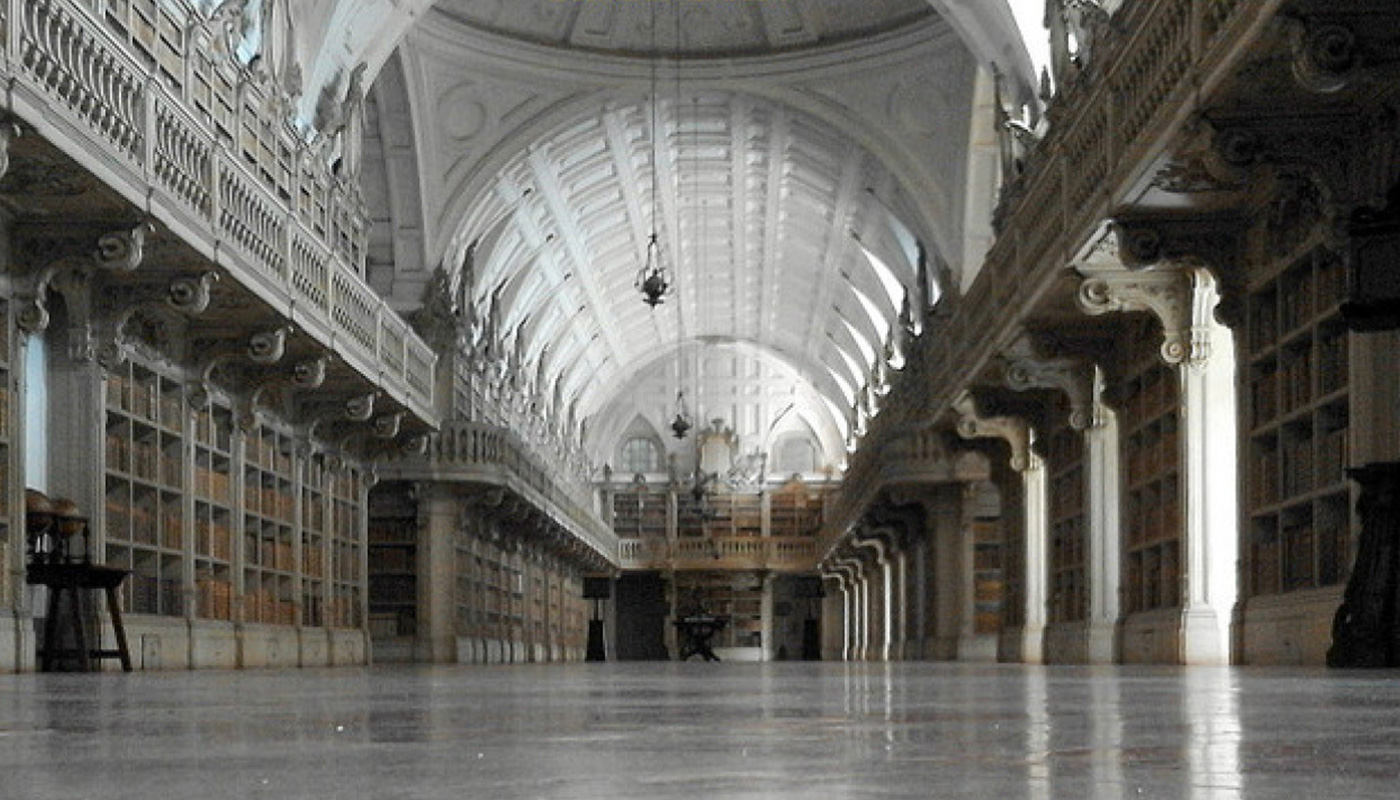
- Library: The Royal Library of Mafra is a standout feature of the palace, containing an incredible collection of more than 36,000 books, many of which are rare and valuable. The library is especially famous for its Baroque-style wooden shelves, 18th-century bookshelves, and an impressive collection of illuminated manuscripts and incunabula (early printed books).
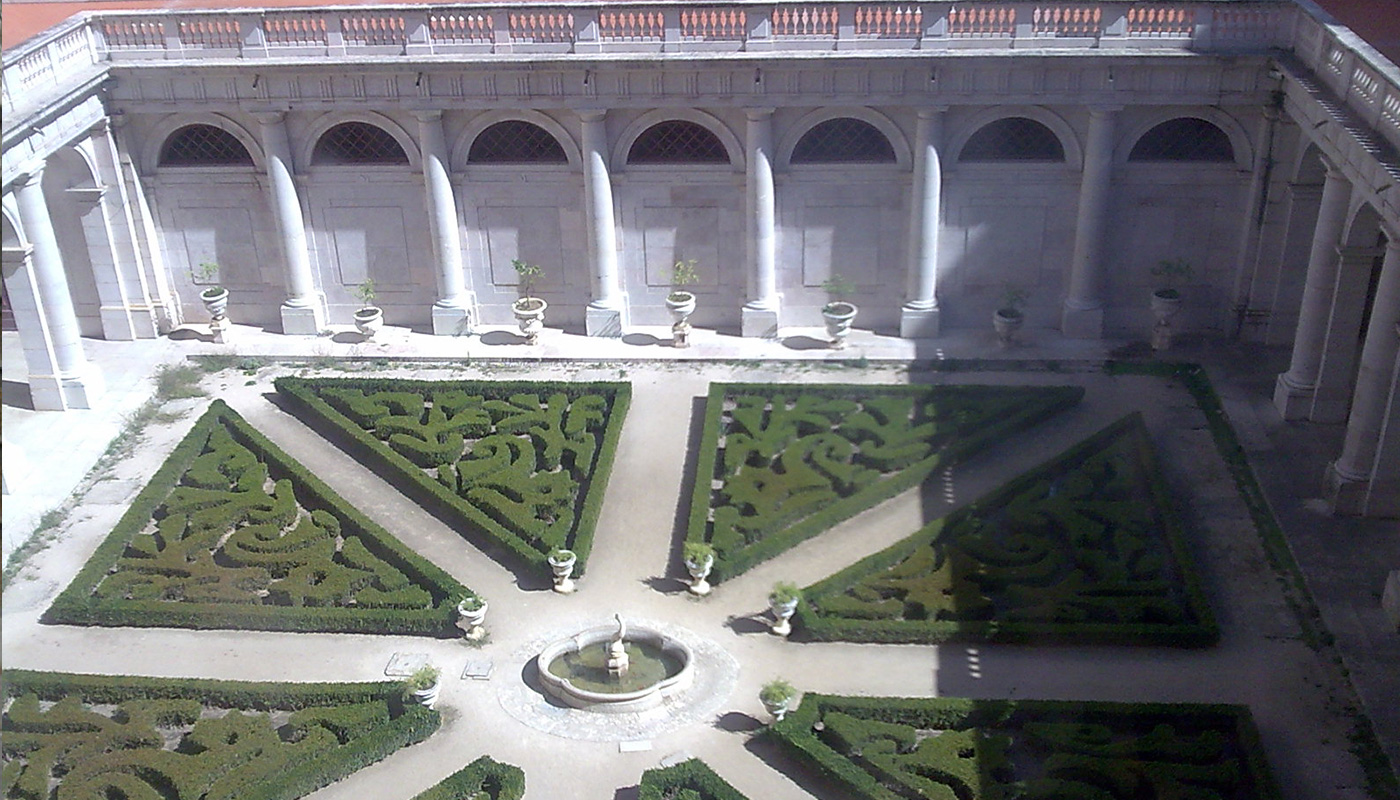
- The Cloisters and Courtyards: Surrounding the palace and convent are large courtyards and cloisters that add to the peaceful, monastic atmosphere of the site. The cloisters are intricately designed with decorative arches and columns, leading to different parts of the complex.
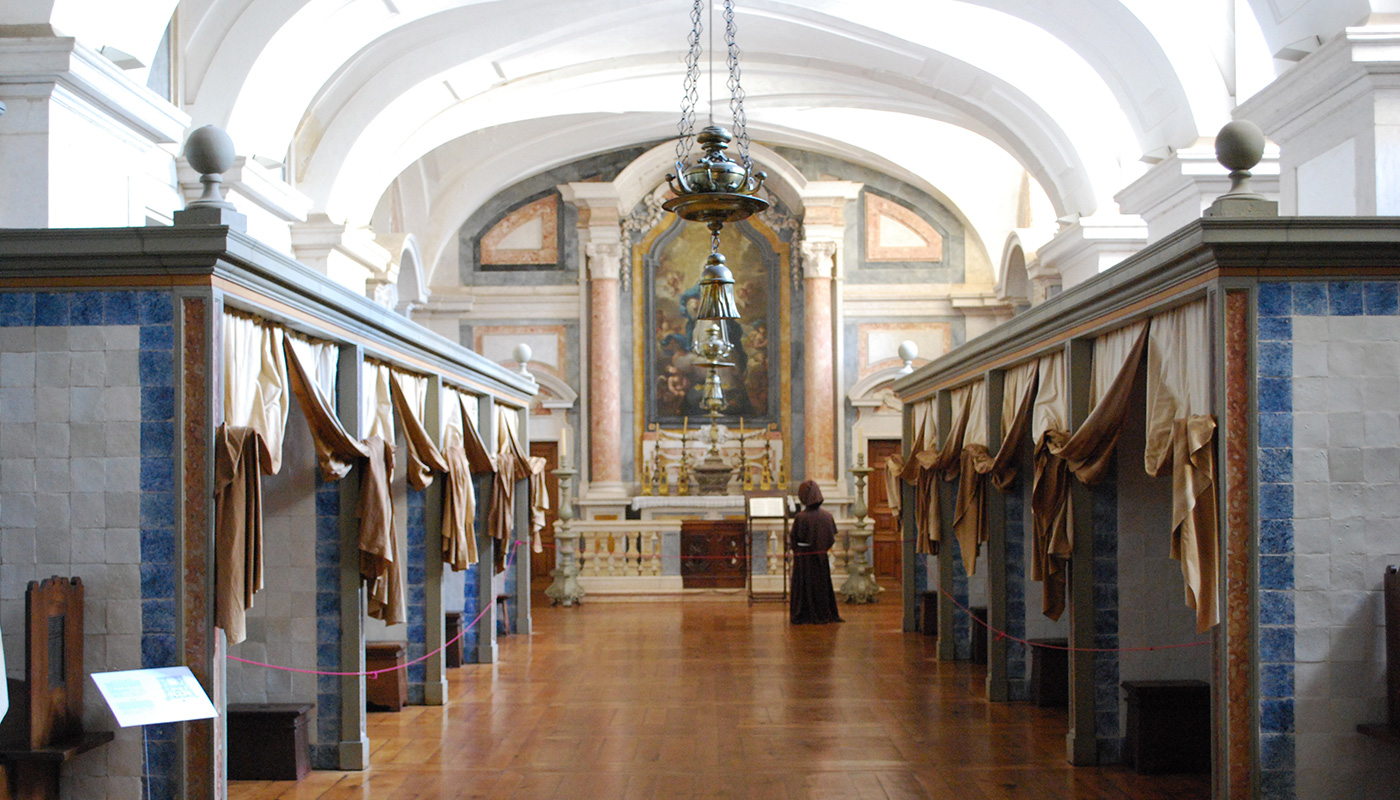
- Chapel and Monastic Spaces: The Franciscan convent is attached to the main palace and includes chapels, living quarters, and monastic spaces where the Franciscan monks resided. The convent was initially intended to house around 300 monks, although it was never fully populated to that extent.
Life Past and Present
- Past Life: During the reign of King João V, the Mafra Palace was a symbol of Portuguese royal power, and the royal family used the palace as a residence. The Franciscan monks who lived in the convent had significant influence in the local and religious communities. However, the convent was not as populated as initially planned. Despite its size, the Franciscan order eventually dwindled, and after the dissolution of religious orders in Portugal in the 19th century, the monks were removed, and the convent fell into disuse.
- Modern Life: Today, the Palácio Nacional de Mafra serves as a museum and heritage site. It is managed by the Portuguese government and has undergone various restoration projects to preserve its historical integrity. The library and basilica remain key attractions, while the palace also hosts cultural events, concerts, and exhibits. The complex is also used for educational purposes, with scholars and researchers studying its vast historical collection.
Interesting Facts
- Basilica Bells: The Basilica of Mafra is home to one of the heaviest bells in Portugal, weighing more than 13 tons. It was created specifically for the palace and is housed in the southern tower of the basilica.
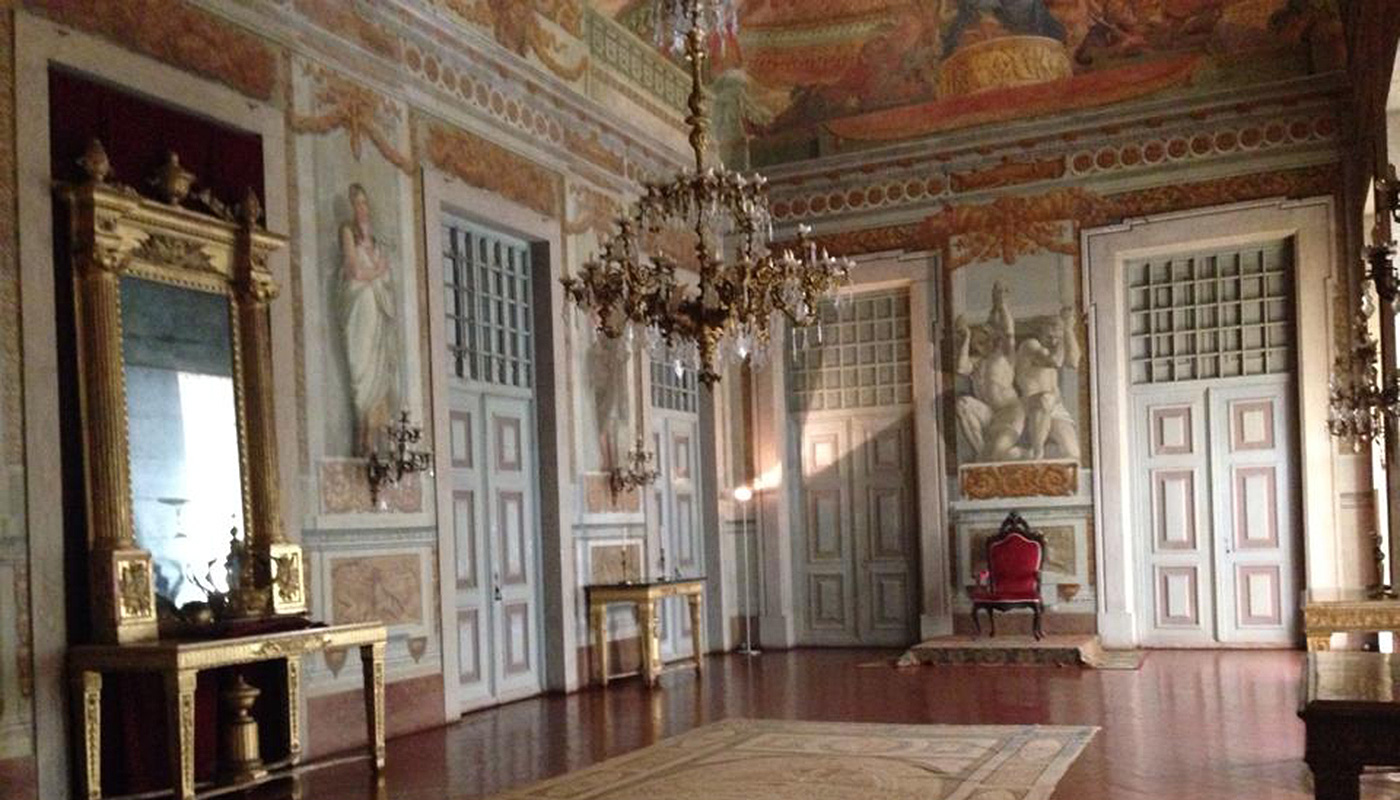
- Royal Connection: Although the palace was intended as a royal residence, it was not the primary royal residence of the Portuguese monarchy. The palace was largely used by King João V during special religious and royal ceremonies, such as baptisms and important court functions. Its isolation from Lisbon meant that the royal family did not reside there permanently.
- Construction Workforce: The building of the palace employed thousands of workers, including architects, artisans, sculptors, and laborers, many of whom worked in difficult conditions. The project also attracted Italian, Portuguese, and Brazilian workers.
- Library’s Valuable Collection: The Royal Library contains priceless books from the 16th to the 18th centuries, and its collection includes important works on history, religion, science, and literature. One of the most valuable pieces is a 14th-century manuscript.
- Cultural Symbol: The Mafra Palace is a symbol of Portuguese Baroque architecture, demonstrating the country’s religious devotion, royal ambition, and wealth during the height of the Portuguese Empire in the 18th century.
- Famous Music Connection: The Mafra Palace is also associated with music. King João V was a patron of the arts, and during his reign, the royal chapel housed a remarkable collection of choirs, musicians, and composers. The palace’s acoustics were designed to enhance the performances held there.
Conclusion
The Mafra Palace and Convent is an architectural masterpiece, blending Baroque grandeur with religious devotion and royal ambition. Its impressive size, stunning library, and magnificent basilica make it one of Portugal’s most important historical and cultural sites. From its origins as a royal and religious symbol to its current status as a national heritage site, Mafra continues to captivate visitors with its fascinating history, awe-inspiring architecture, and rich cultural legacy.