Cabo da Roca is one of Portugal’s most iconic and dramatic natural landmarks. Known for its breathtaking views of the Atlantic Ocean, it is a must-see destination for anyone visiting the Lisbon region. Here’s an in-depth look at its location, traditions, history, interesting facts, iconic buildings, and landmarks.
Location
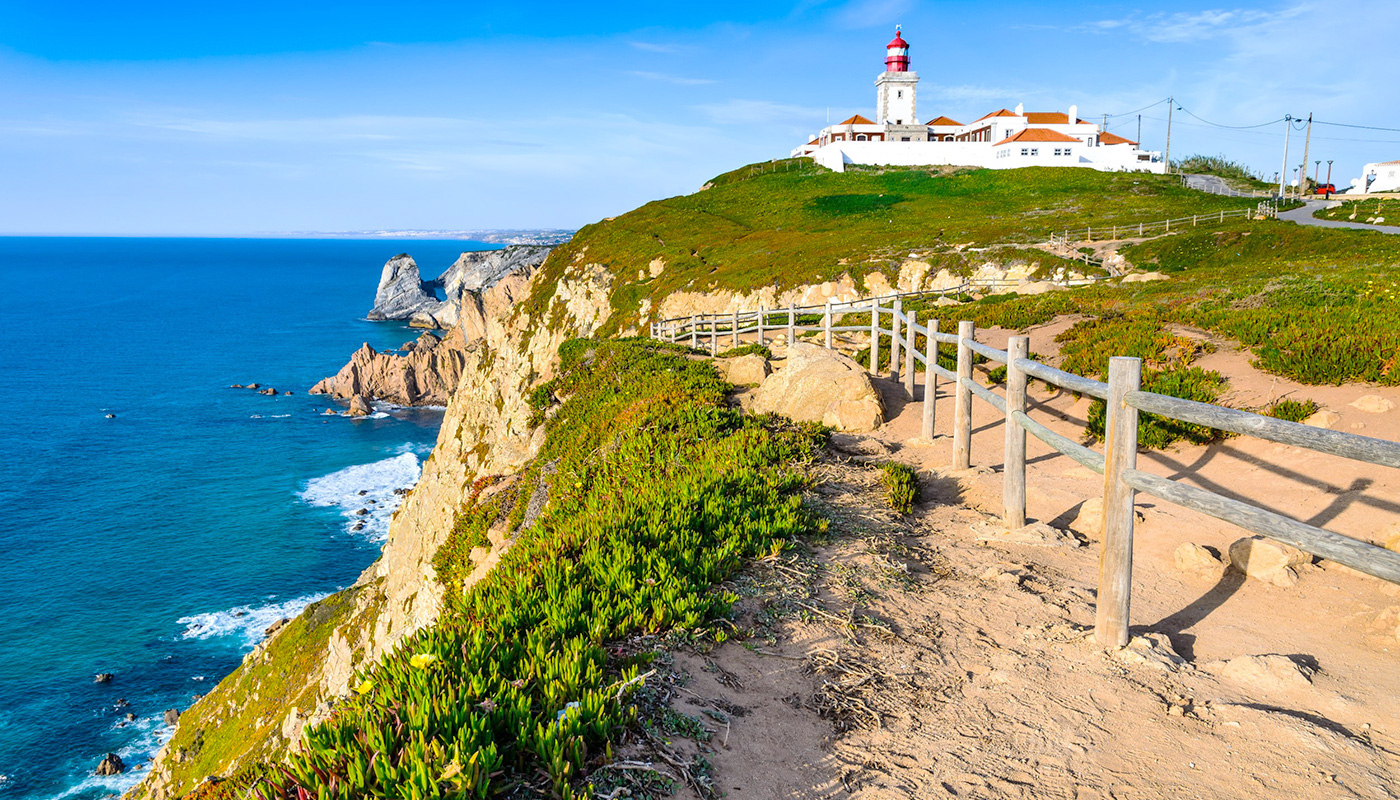
Cabo da Roca is located in the westernmost point of mainland Europe, on the Sintra Mountains, within the municipality of Sintra, about 40 kilometers (25 miles) from Lisbon. It lies along the Atlantic coast in the Parque Natural de Sintra-Cascais, offering spectacular views of the rugged cliffs and the vast ocean. Its dramatic coastal setting makes it one of the most visited natural spots in Portugal.
History
Cabo da Roca has been a notable site for centuries, both for its strategic importance and its symbolic significance:
Ancient Times: The lighthouse at Cabo da Roca stands at a location that was historically important for navigation. It is believed that ancient sailors used the cape as a reference point, marking the end of the known world in the Age of Discovery.
The Age of Exploration: During the Age of Exploration (15th–16th centuries), Portuguese explorers sailed along the coast, passing by Cabo da Roca as they ventured into the unknown Atlantic waters. The cape was seen as the frontier of Europe.
Modern Times: In 1772, a lighthouse was established at Cabo da Roca, guiding ships along this dangerous stretch of coastline. Today, the lighthouse still functions and is an important historical and maritime landmark.
Traditions
Maritime Heritage: Cabo da Roca’s history as a prominent coastal landmark is deeply intertwined with maritime traditions. The lighthouse has long been a symbol of safety and guidance for sailors.
Cultural Symbolism: Cabo da Roca is often associated with the spirit of Portuguese exploration, representing the final edge of Europe before venturing into the vast ocean. It has inspired poets, particularly Luis de Camões, who described it as the place where the land meets the sea. This cultural significance is celebrated in literature and folklore.
Interesting Facts
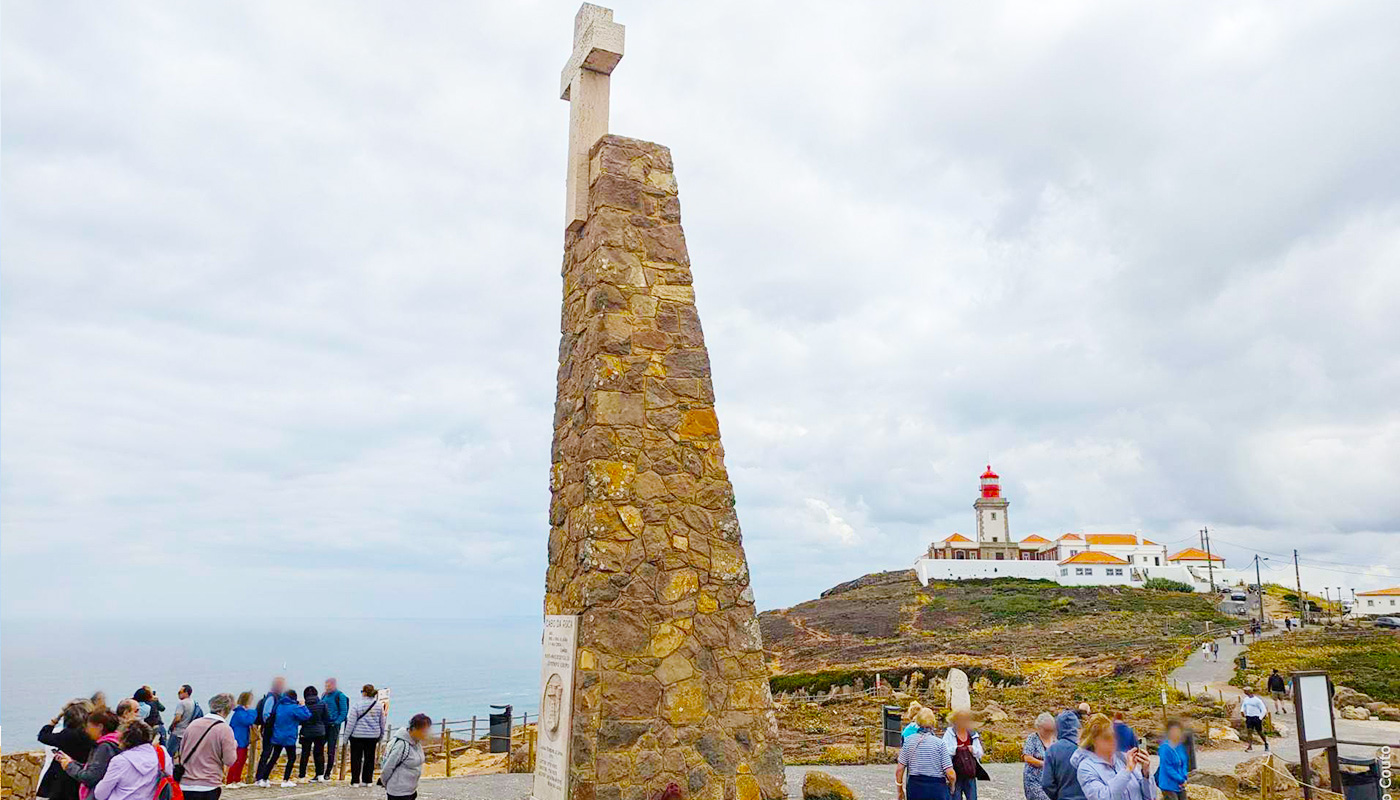
Westernmost Point of Mainland Europe: Cabo da Roca holds the title of the westernmost point of mainland Europe. It’s a popular destination for visitors wanting to experience the end of the continent, marked by a monument and a plaque commemorating this fact.
Luis de Camões’ Poem: The famous Portuguese poet, Luis de Camões, wrote about Cabo da Roca in his epic work Os Lusíadas (The Lusiads), using it as a metaphorical symbol of the boundary between the known and the unknown. His famous line “Here, where the land ends and the sea begins” immortalized the place in Portuguese culture.
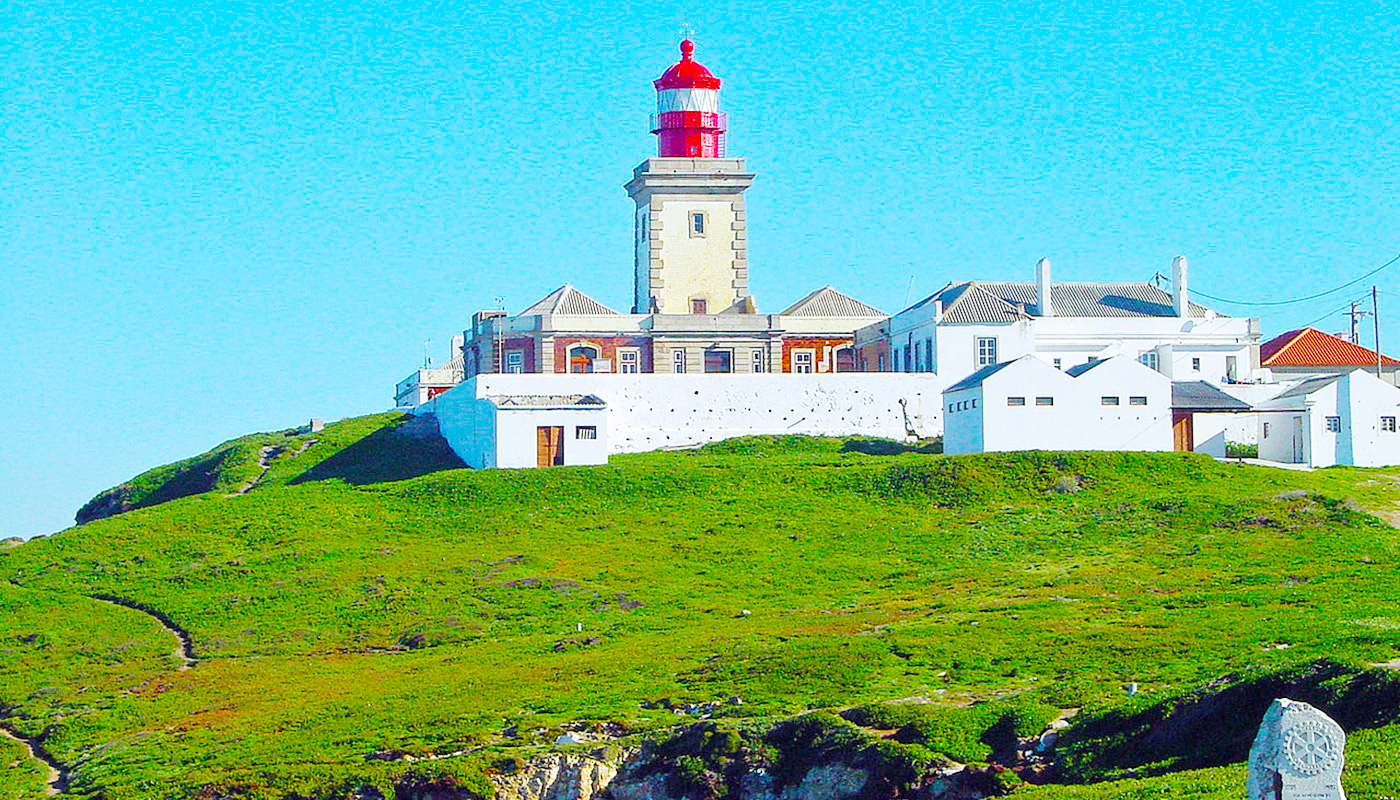
Cabo da Roca Lighthouse: The lighthouse at Cabo da Roca has been in operation since 1772, guiding ships safely along the coast of Portugal. It’s still a functioning lighthouse, and visitors can tour the area and learn more about its history and significance.
Nature and Wildlife: The region surrounding Cabo da Roca is part of the Sintra-Cascais Natural Park and is home to diverse plant life, wildlife, and bird species. It’s an excellent place for hiking, with several trails offering panoramic views of the coastline.
Iconic Buildings & Landmarks
Cabo da Roca Lighthouse: The lighthouse is the most iconic structure in the area. It sits at the edge of the cliffs, offering an impressive view of the ocean. The white building with its red lantern is a defining feature of the landscape.
History: Built in 1772, the lighthouse was originally designed to help guide ships safely through this perilous part of the Atlantic. It’s still in operation today, making it one of the oldest lighthouses in Portugal.
Tourism: The lighthouse area includes a visitor center where guests can learn more about its history and the coastal region.
Cabo da Roca Monument: A large stone monument marks the westernmost point of mainland Europe. The monument features a plaque with a quote from Luis de Camões’ Os Lusíadas, celebrating the site’s importance to Portuguese culture and maritime history. This is one of the most photographed spots in the area.
The Viewpoint: The panoramic viewpoint at Cabo da Roca offers sweeping vistas of the Atlantic Ocean and the rugged cliffs of the coastline. It’s an unmissable spot for visitors, providing a breathtaking experience as you stand at the edge of Europe.
Sintra-Cascais Natural Park: The park around Cabo da Roca is full of beautiful hiking trails, cliffs, and forests. The natural park is a UNESCO protected area, with many scenic routes for outdoor enthusiasts.
The Surrounding Beaches and Cliffs: The cliffs and beaches near Cabo da Roca, including Praia da Ursa and Praia Grande, are notable for their dramatic landscapes. These beaches, often surrounded by high cliffs, are perfect for those looking to explore the raw beauty of the Portuguese coast.
Conclusion
Cabo da Roca is a landmark of great historical, cultural, and natural significance. It is a symbol of Portuguese maritime heritage and the spirit of exploration that defined the nation’s golden age of discovery. Visitors to Cabo da Roca are treated not only to awe-inspiring views and a rich history but also to a deep connection with the natural world, offering a unique and unforgettable experience at the edge of Europe. Whether you’re exploring its cultural landmarks, hiking the surrounding trails, or simply gazing at the vast Atlantic Ocean, Cabo da Roca is a must-visit destination.