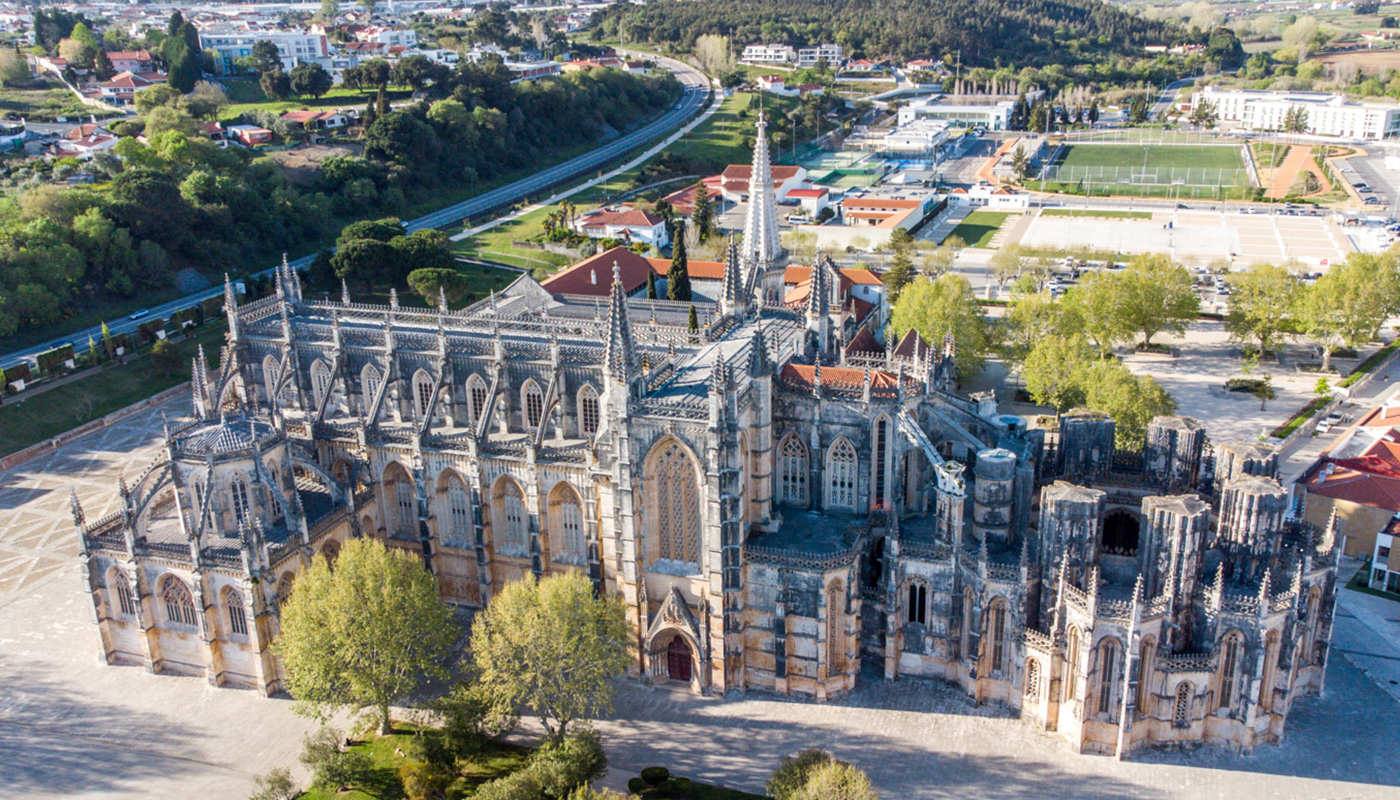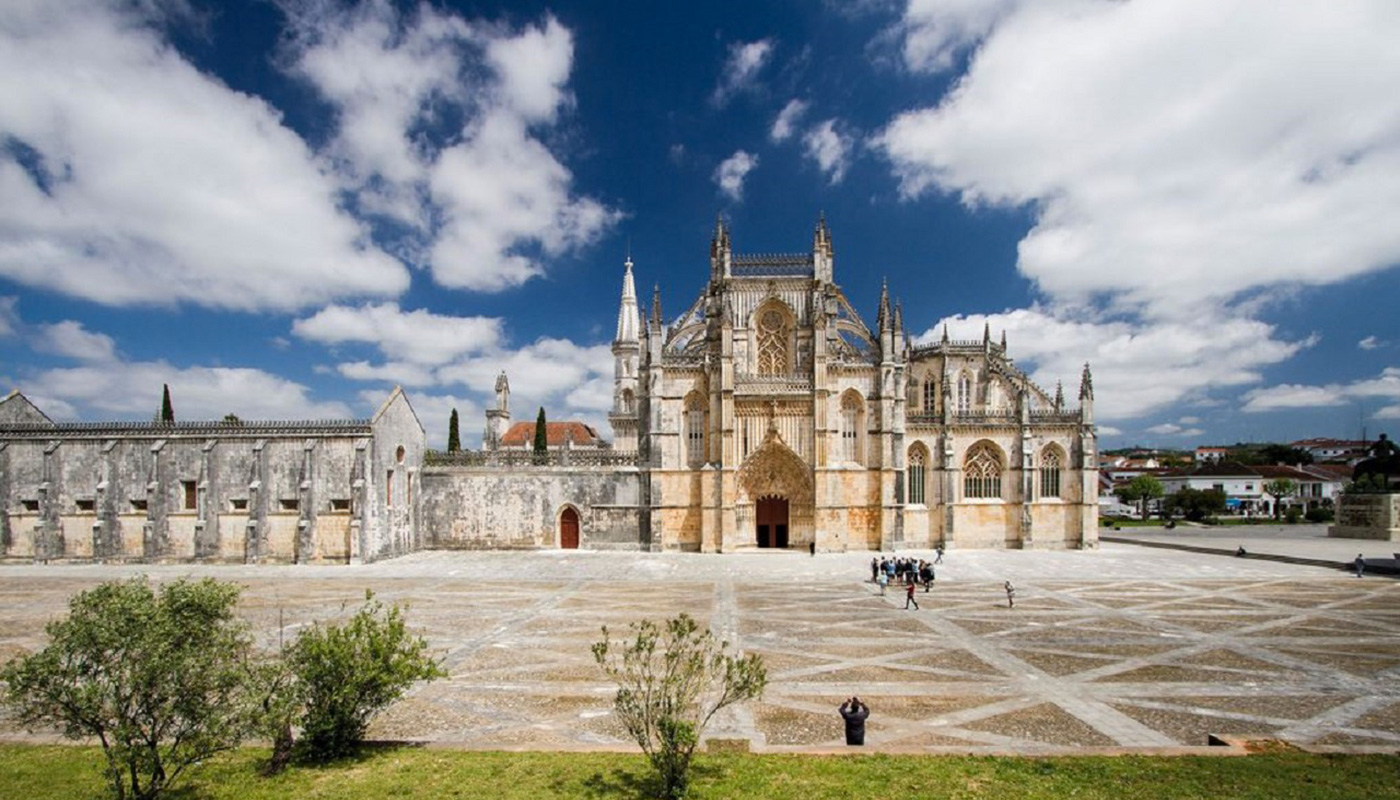
The Mosteiro da Batalha (Monastery of Batalha), located in the town of Batalha, Portugal, is one of the most significant Gothic monuments in the country. Its full name is the Monastery of Santa Maria da Vitória, and it was built to commemorate the Portuguese victory at the Battle of Aljubarrota in 1385, which solidified the independence of Portugal from Castile.
History:
– Foundation: The monastery was commissioned by King João I of Portugal to fulfill a vow he made during the Battle of Aljubarrota (1385). After the victory over the Castilian forces, he promised to build a monastery in gratitude for the divine intervention he believed led to the success. Construction began in 1386 and continued for several centuries.
– Royal connections: The monastery was not only a place of worship but also a royal pantheon. João I and his wife, Queen Philippa of Lancaster, as well as other members of the royal family, are buried here.
– Religious significance: Initially part of the Dominican order, the monastery was also a center of spiritual and political influence in Portugal.
Architecture:
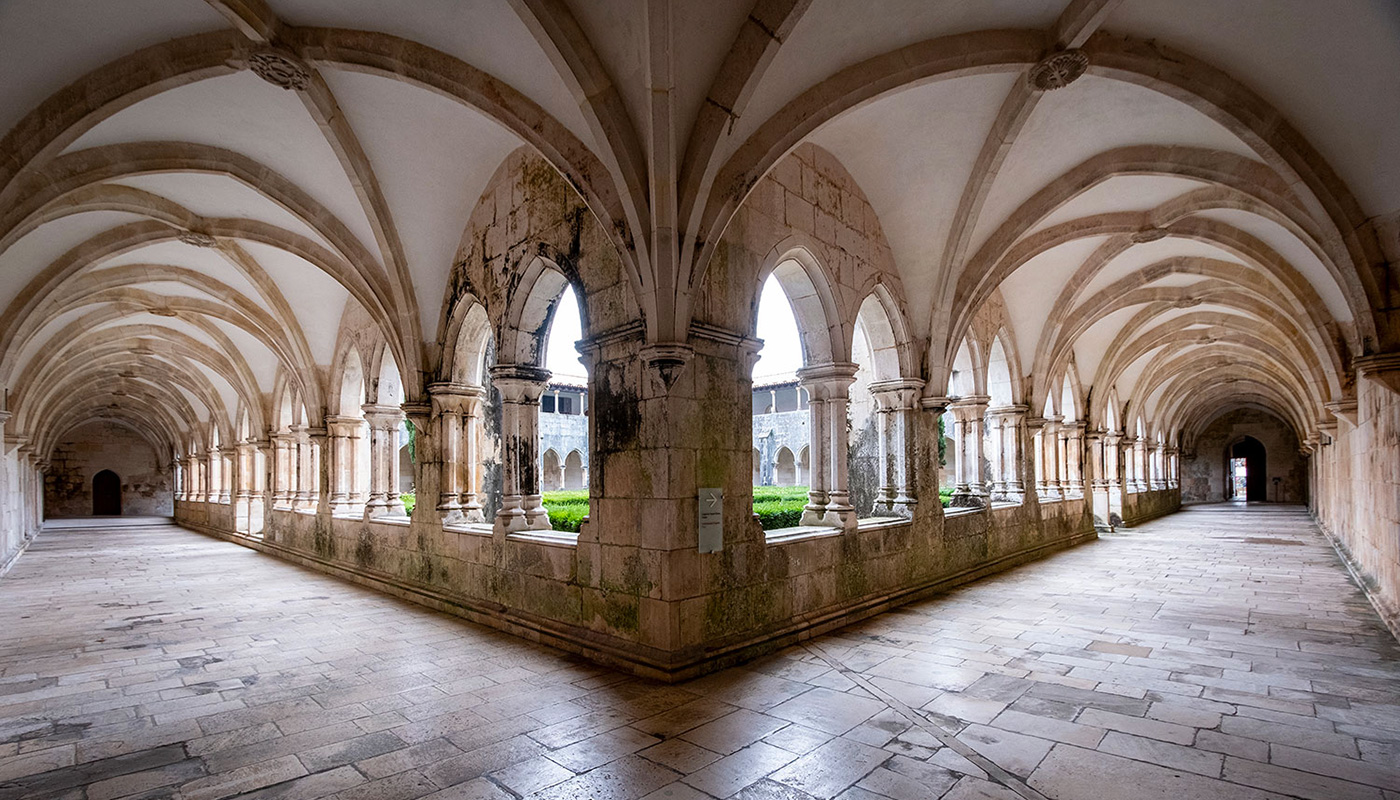
The monastery is an extraordinary example of Gothic architecture, with elements that reflect both the French Rayonnant Gothic and the emerging Portuguese Manueline style.
Key architectural features include:
Significance:
– The Mosteiro da Batalha is a UNESCO World Heritage Site, recognized for both its architectural grandeur and historical importance.
– The monastery is often associated with Portugal’s national identity, reflecting the country’s independence and royal lineage.
– It is a major tourist attraction and a key example of the fusion between Gothic and Manueline styles in
Portugal.
Conclusion:
In sum, the Mosteiro da Batalha is not just an architectural marvel but also a monument to Portugal’s history, showcasing the country’s devotion to faith, royal power, and national pride.