The Mosteiro de Alcobaça
(Monastery of Alcobaça), located in the town of Alcobaça in central Portugal, is one of the country’s most significant and oldest monasteries. It is renowned for its Cistercian architecture and its deep historical connections to the monarchy and Portuguese culture.
History:
- Foundation: The monastery was founded in 1153 by King Afonso I of Portugal (Afonso Henriques), the first King of Portugal, in gratitude for a victory over the Moors. It was granted to the Cistercian Order, a strict religious order that emphasized simplicity and manual labor.
- Royal connections: The monastery became a symbol of royal power and devotion. Over the centuries, it served as a burial place for many members of the Portuguese monarchy, most notably King Pedro I and his lover Inês de Castro.
- Decline and Secularization: Like many monasteries in Portugal, Alcobaça underwent decline after the Portuguese Liberal Revolution of 1820, which led to the secularization of religious properties. In 1834, following the dissolution of religious orders in Portugal, the monastery was abandoned by the Cistercians and became a national monument.
Architecture:
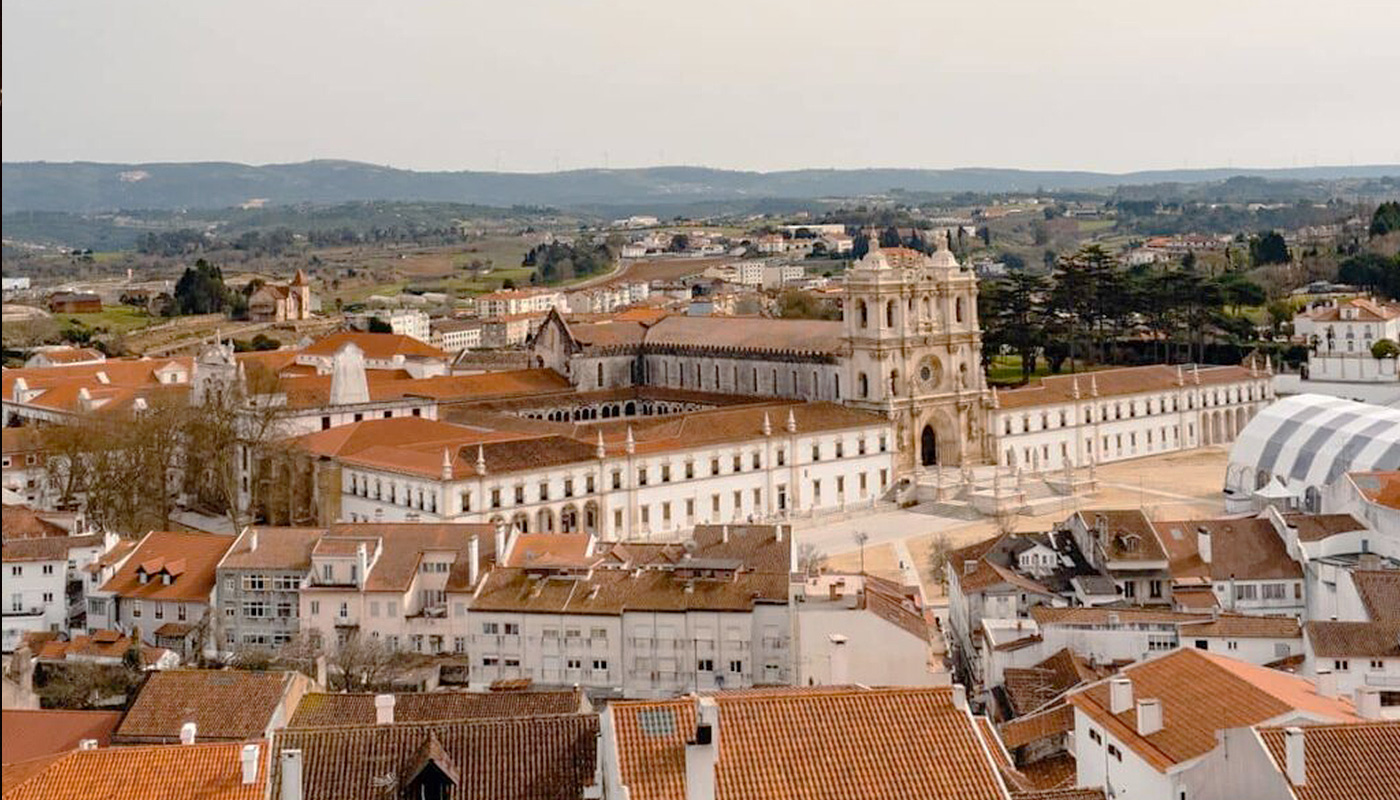
The Mosteiro de Alcobaça is a stunning example of Cistercian Gothic architecture, with elements that also reflect the early influence of Romanesque and Gothic styles. It is one of the largest and most complete Cistercian monasteries in Europe.
- Exterior:
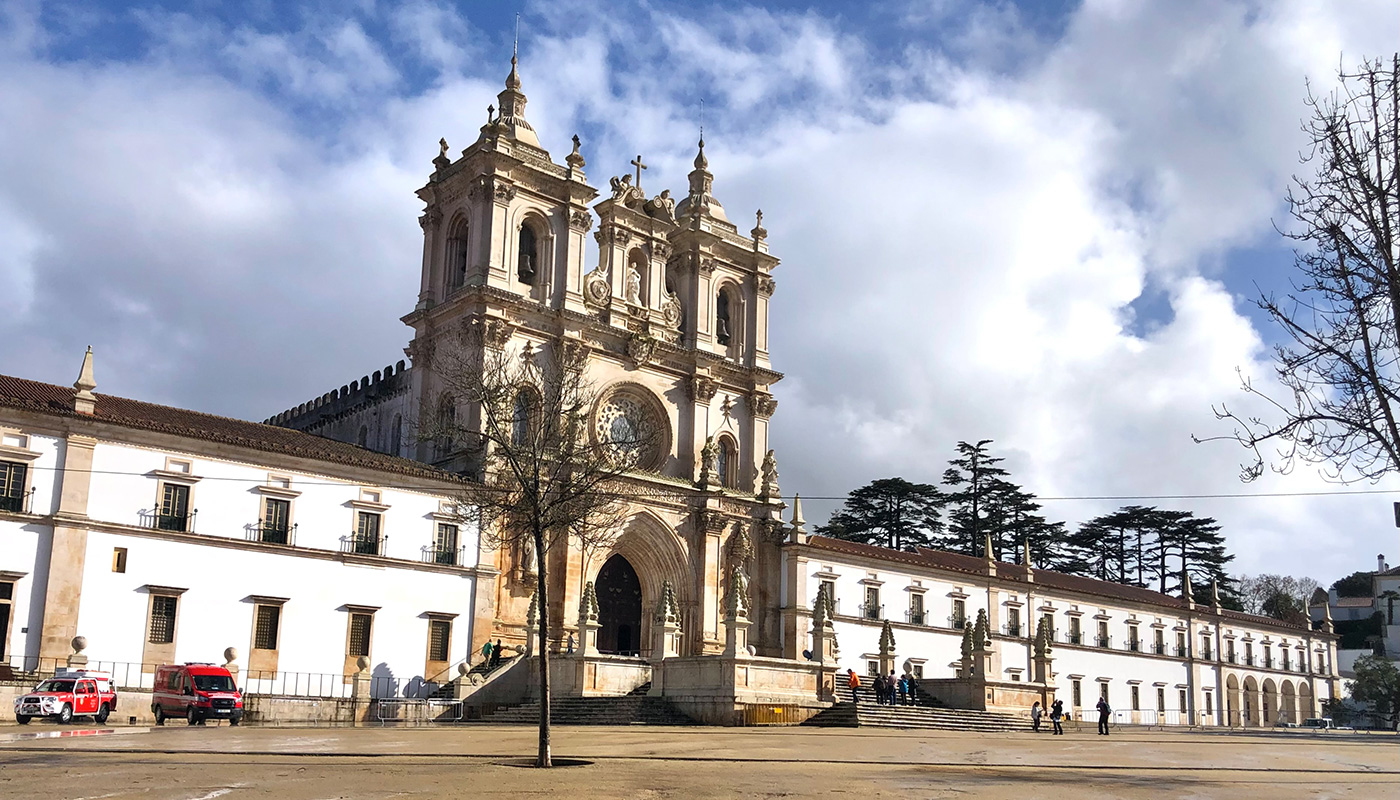
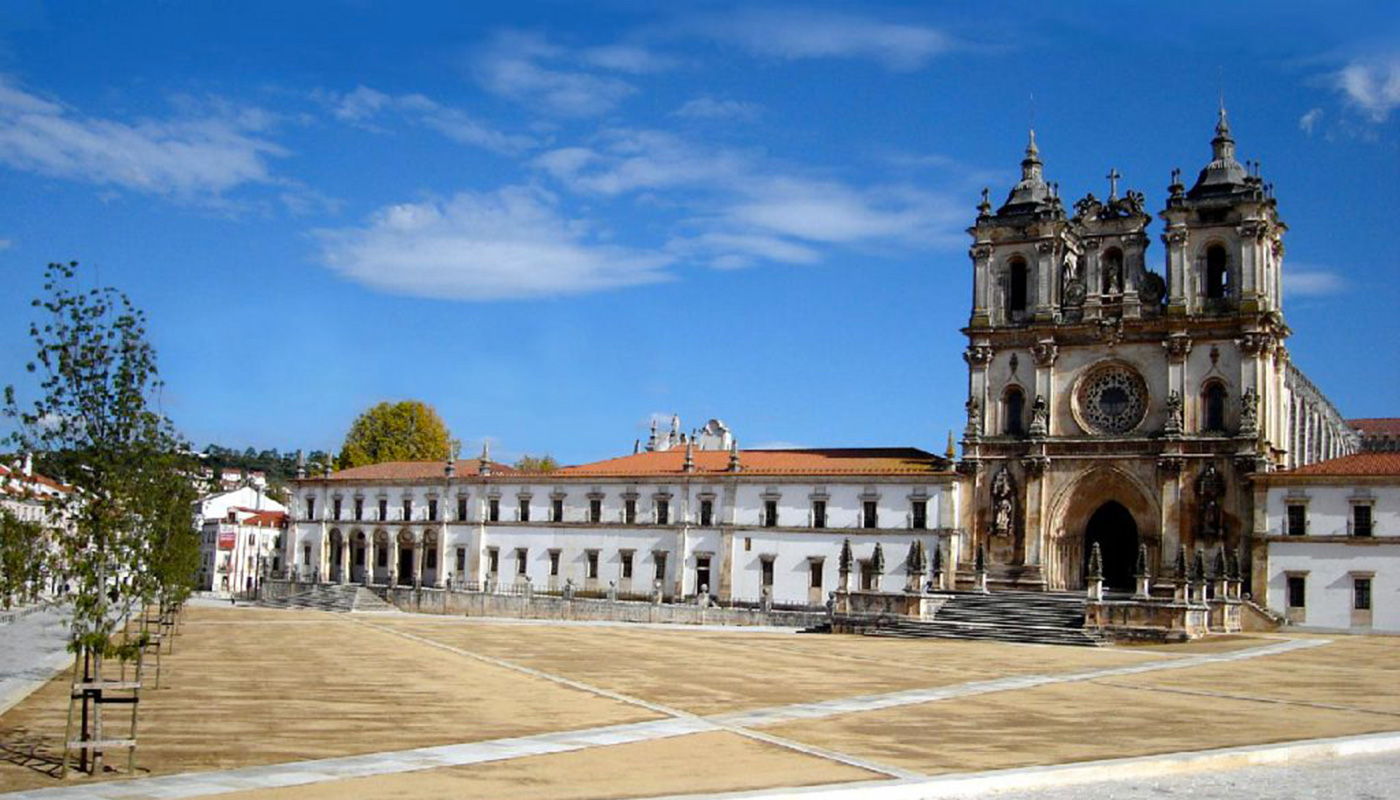
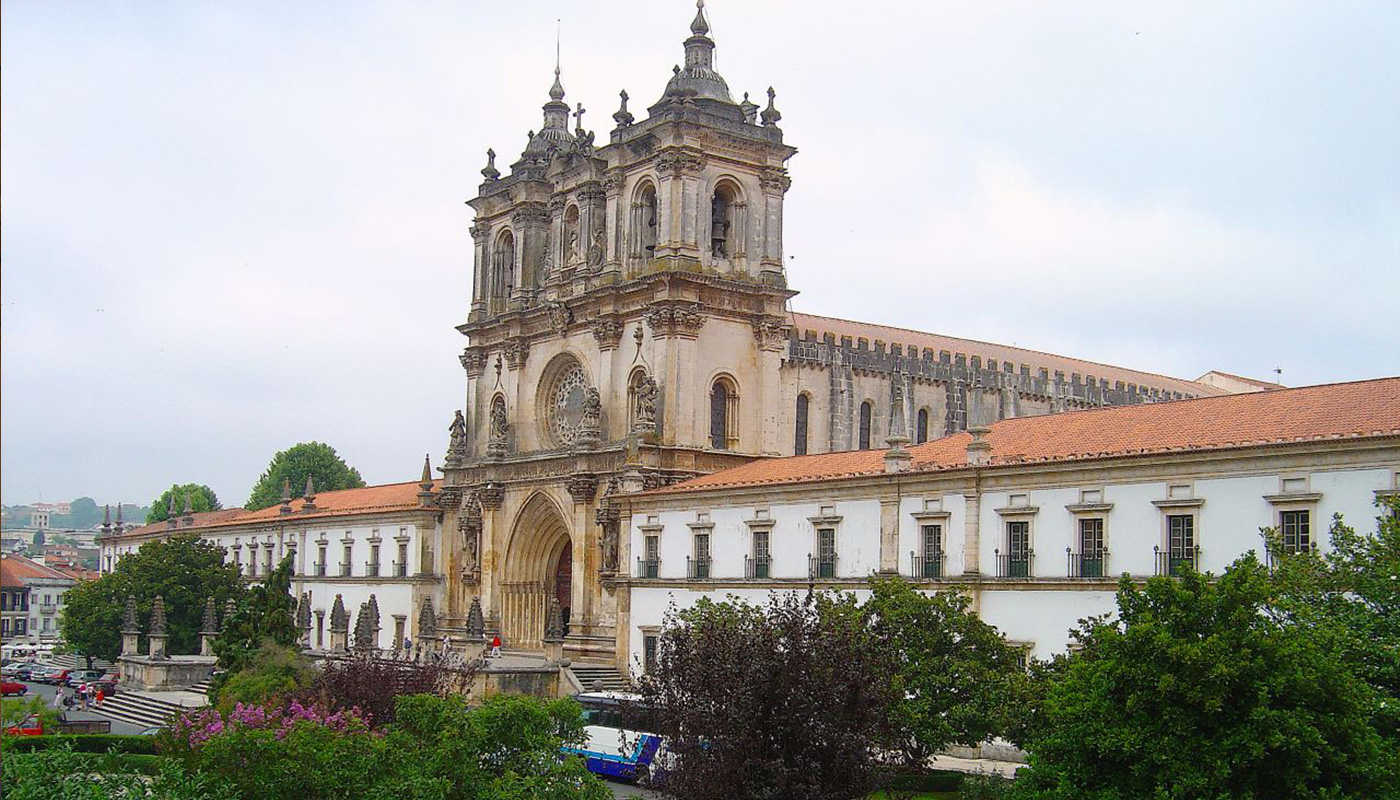
- The facade is a blend of Romanesque and early Gothic elements, with a large central portal decorated with biblical scenes. The twin towers at the entrance are simple yet imposing.
- The bell tower was later added, in the 18th century, but it maintains the monastery’s austere character.
- Church:
- The church of the monastery is massive, with a single nave and no side aisles, which is typical of Cistercian churches. The space is vast, with a high vaulted ceiling.
- The altar is simple and elegant, with little ornamentation, following the Cistercians’ principle of austerity. The style is more Romanesque in its earlier elements, transitioning to Gothic as the church was expanded.
- The choir is another notable feature, located behind the altar and accessible by a staircase. Its original 13th-century columns are striking for their clean, simple lines.
- Monastic Complex:
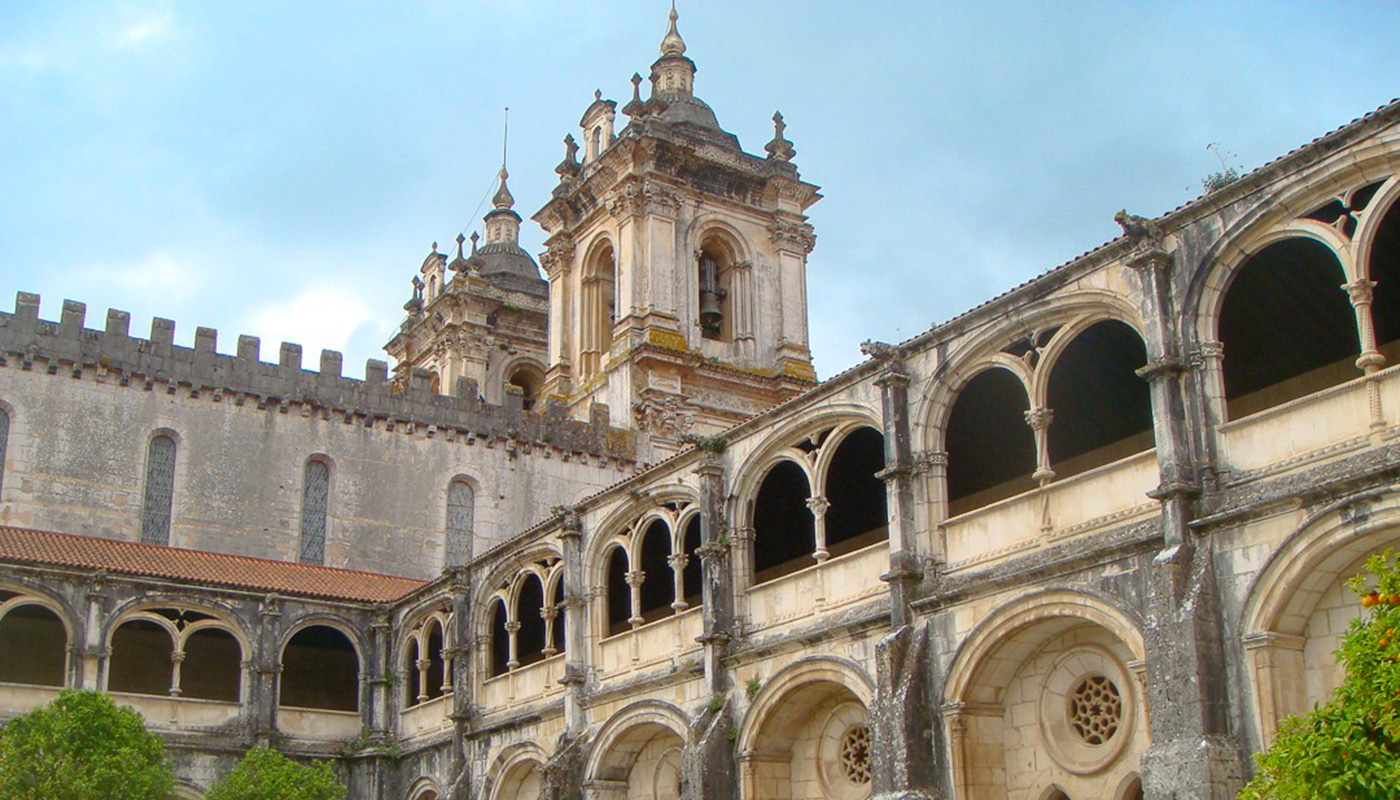
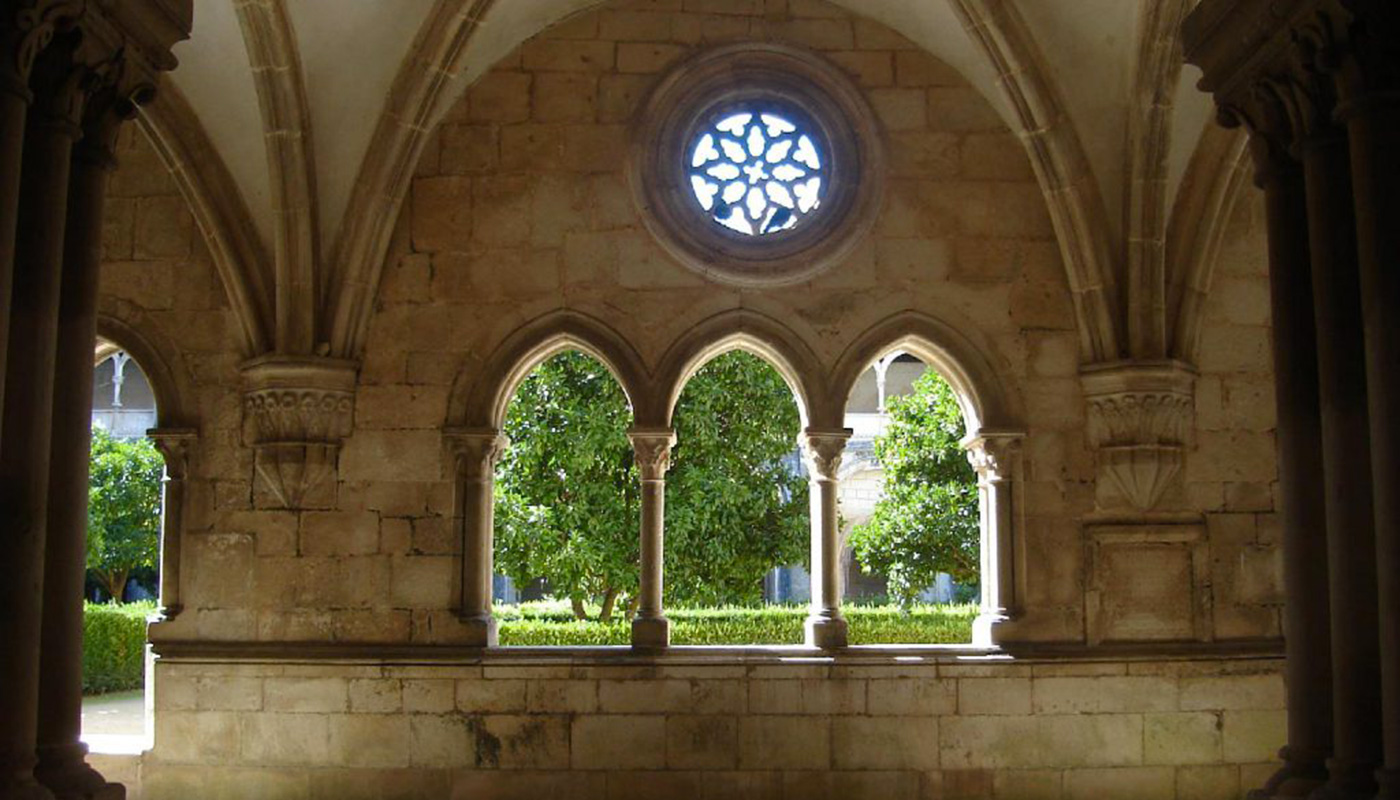
- The cloisters are particularly impressive, with a large refectory (dining hall) and the chapter house (where monks met for important decisions). The Cistercian garden is a key part of the layout, focusing on simplicity and the cultivation of plants for both medicinal and daily use.
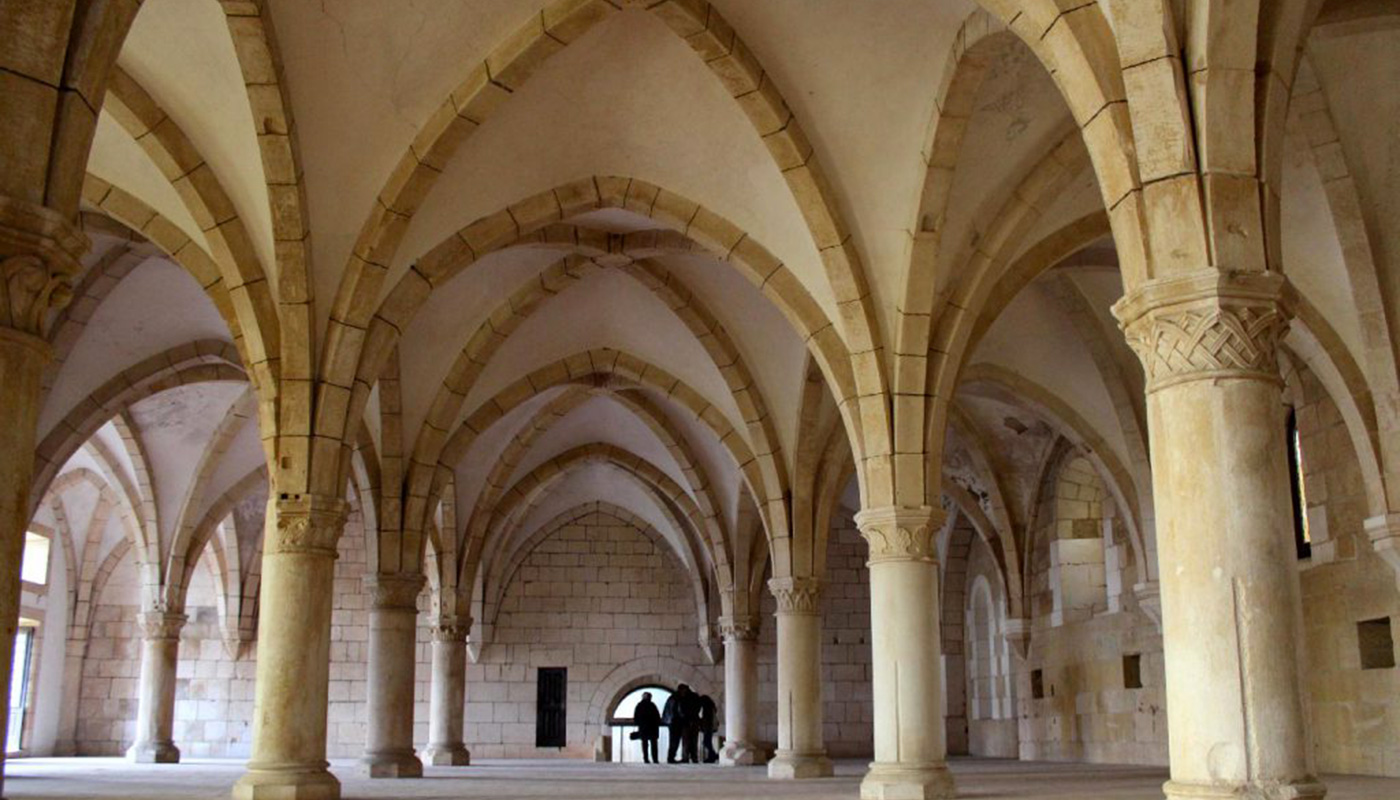
- The dormitory is also noteworthy, with simple, small rooms for the monks.
- Royal Tombs:
- Pedro I and Inês de Castro: The tombs of King Pedro I and his lover, Inês de Castro, are among the most famous features of the monastery. Their tragic love story is one of the most famous in Portuguese history.
- Pedro’s tomb is a magnificent tomb of black marble, located on the left side of the main altar. It is intricately carved with scenes from his life.
- Inês’s tomb lies opposite, on the right side of the altar. The tomb is similarly elaborate, with scenes of romantic tragedy carved into the stone, depicting the passion and death of Inês.
- Other Royal Burials: Several Portuguese kings and queens, including King Afonso I and Queen Beatriz, are buried at Alcobaça.
- Romanesque and Gothic Elements:
- The arches, pillars, and columns are quintessentially Gothic, with slender shapes and pointed forms. The rose window above the entrance is a beautiful example of early Gothic stained glass.
- The monastery’s layout and simplicity are deeply tied to the Cistercian ethos, focusing on contemplation, austerity, and functional beauty rather than ornate decoration.
Interesting Facts:
- The Tragic Love Story of Pedro and Inês: The story of King Pedro I and Inês de Castro is famous for its dramatic and tragic elements. After Inês was murdered by political enemies, Pedro reportedly had her body exhumed, crowned as queen, and forced the courtiers to kiss her hand as if she were alive. Their tombs at Alcobaça are famous for being placed so that they face each other, symbolizing their eternal love.
- World Heritage Site: In 1989, Alcobaça Monastery was declared a UNESCO World Heritage Site for its historical significance and exceptional architecture.
- Austerity in Design: The monastery’s design is a perfect example of Cistercian austerity. Unlike other monastic orders, the Cistercians rejected excessive decoration and focused on simple, functional buildings that reflected their devotion to God.
- Monastery’s Size: Alcobaça is one of the largest monastic complexes in Portugal. The church itself is one of the largest Gothic buildings in the country, and the entire complex is an architectural marvel with more than 12,000 square meters of space.
- Extensive Restoration: The monastery has undergone extensive restoration over the years, especially after the 1755 Lisbon earthquake, which caused significant damage to many Portuguese monuments.
- Home to the Cistercians for 700 Years: The Cistercian monks lived and worked at Alcobaça for more than 700 years, until the order was dissolved in the early 19th century during the liberal reforms.
Conclusion:
The Mosteiro de Alcobaça is an architectural masterpiece with deep historical and cultural significance in Portugal. From its austere Cistercian roots to its role in the royal history of Portugal, it remains a symbol of the nation’s rich heritage. Visitors today can explore the peaceful cloisters, the dramatic tombs of Pedro and Inês, and the extraordinary scale of the church, making it a must-see historical site in Portugal.